MV distribution arresters
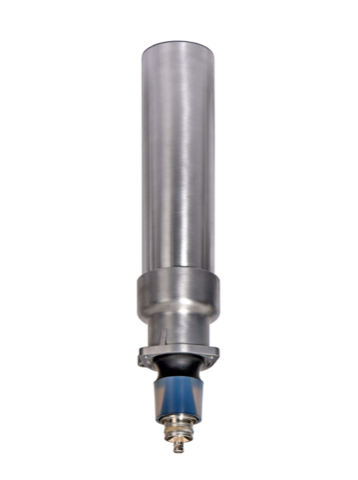
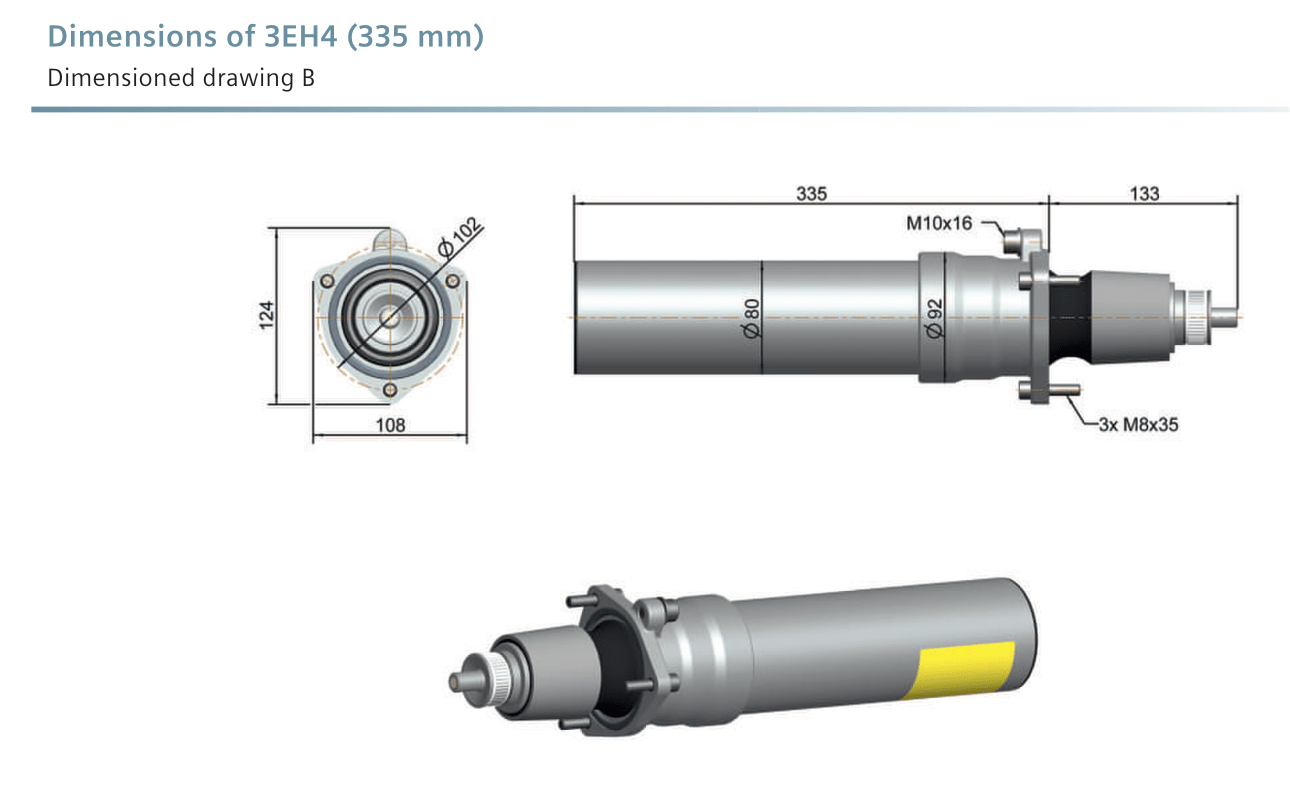
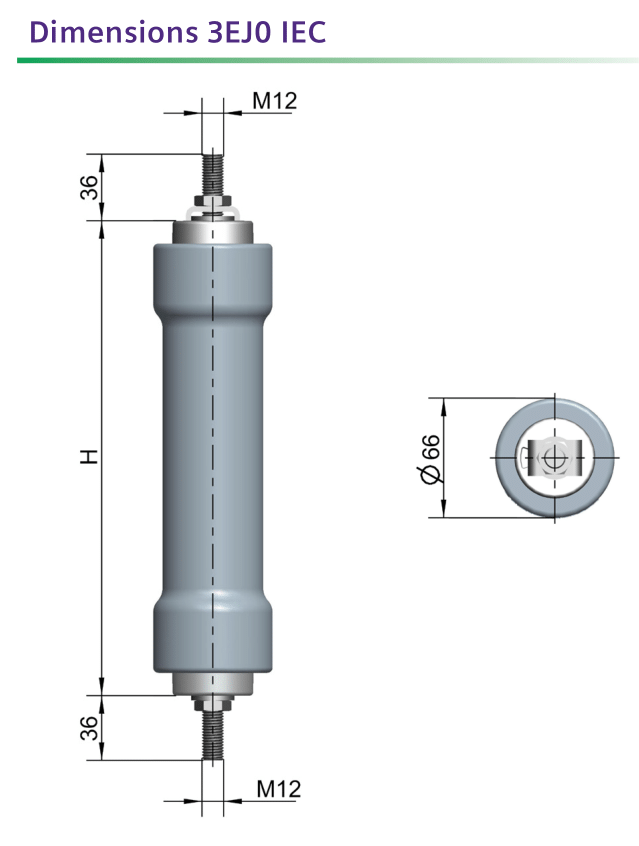
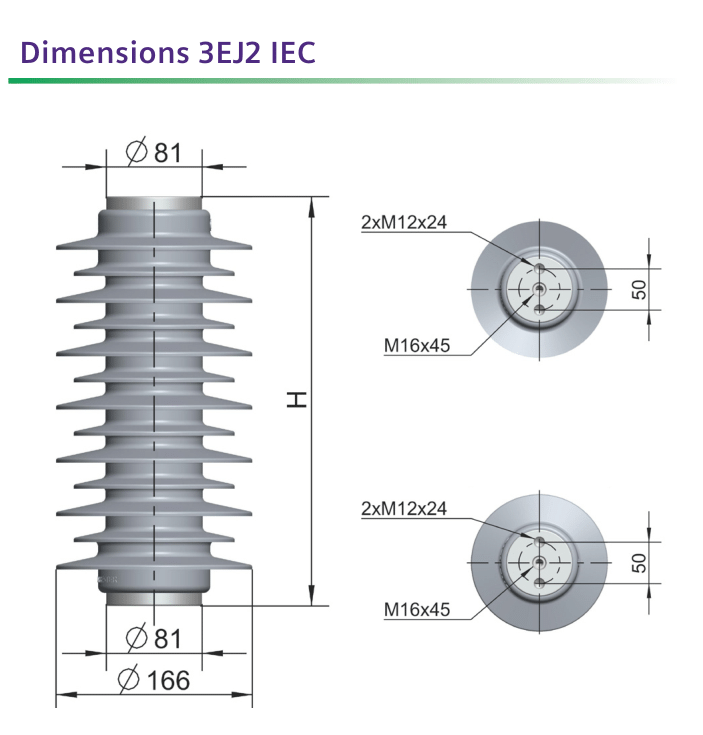
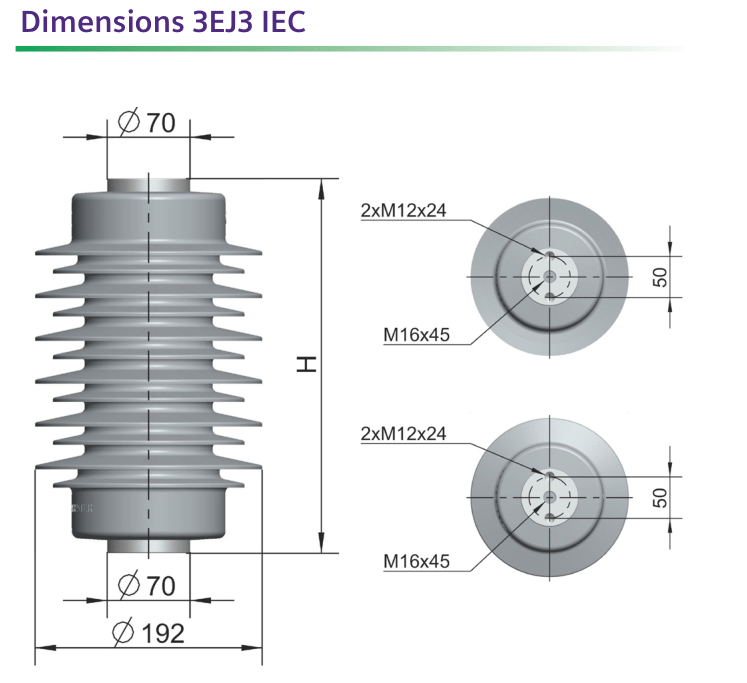
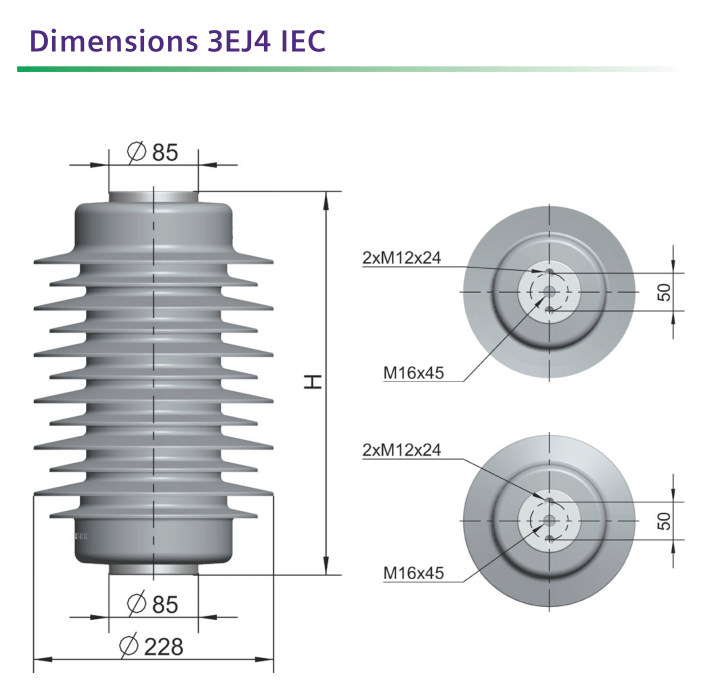
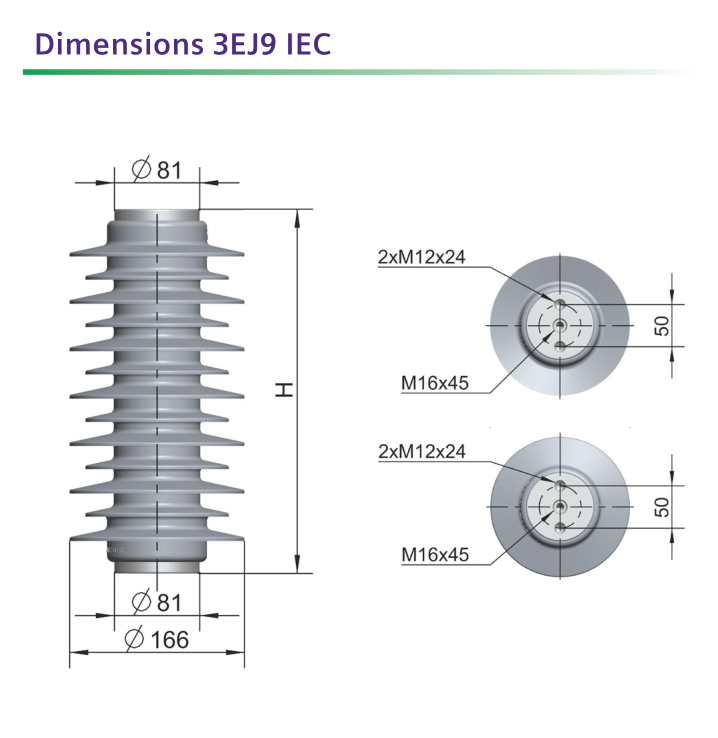
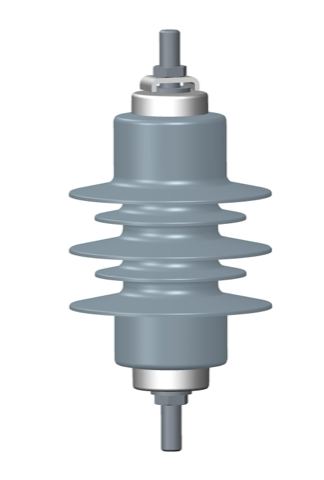
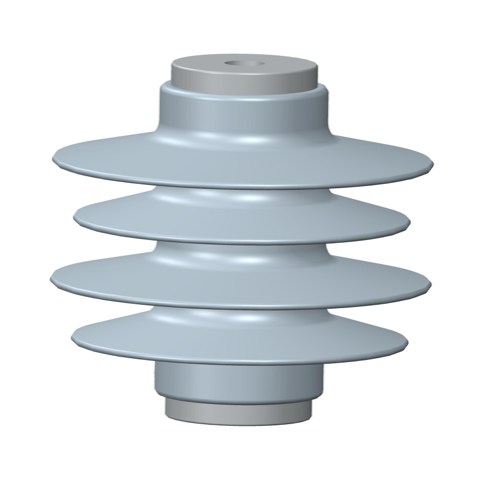
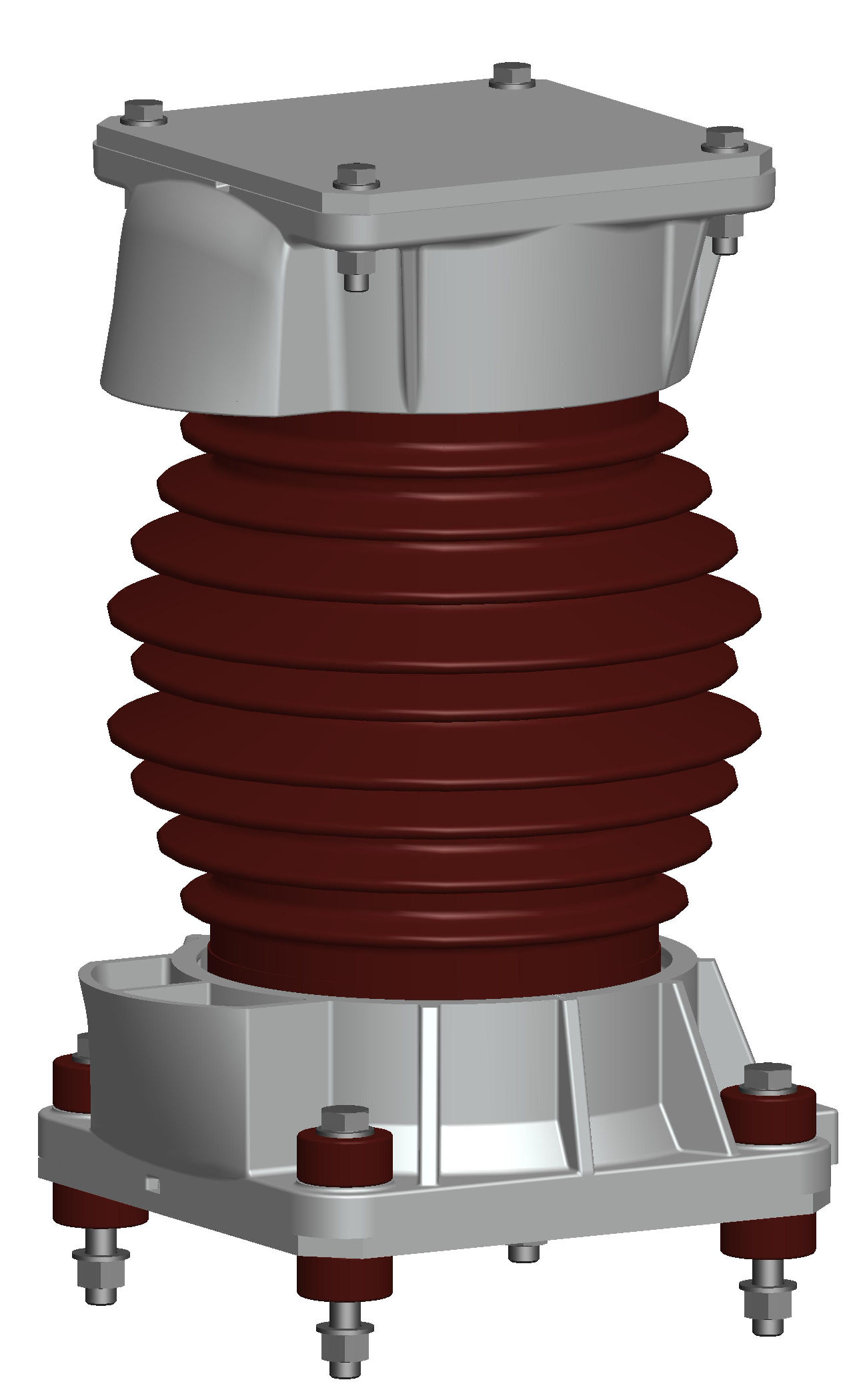
Metal-oxide surge arresters for distribution networks and medium-voltage equipment up to 72.5 kV system voltage. The range spans the silicone-rubber cage-design 3EK7 and 3EK8 distribution classes, the high-energy 3EJ family (3EJ0, 3EJ2, 3EJ3, 3EJ4, 3EJ9) for generators, motors, and cable networks, the 3EH4 plug-in arrester for inner-cone connected switchgear and transformers, and the porcelain-housed 3EP3-G with short-circuit capability up to 300 kA for generator and motor protection.
A medium-voltage surge arrester is a protective device connected between a live conductor and earth in distribution networks and equipment for systems up to 72.5 kV. Its internal column of metal-oxide varistor blocks presents a very high resistance at normal operating voltage but turns strongly conductive when a lightning or switching surge arrives, diverting the surge current to earth so the voltage across the protected transformer, switchgear, or cable stays below its insulation withstand level. Key IEC 60099-4 ratings are the continuous operating voltage Uc, rated voltage Ur, nominal discharge current In, and the protective level; an arrester limits overvoltages but does not interrupt fault current. Glossary →
System-voltage coverage per family (√ scale) — bars link to the product pages. Families without a published kV rating are not drawn.
15 of 15 products
Why it matters
Every transient overvoltage that exceeds the insulation level of a transformer, switchgear panel, or cable termination risks irreversible damage — and on distribution networks, lightning strikes and switching operations are the chief sources. Metal-oxide arresters are the coordinating element of overvoltage protection: their varistor blocks behave as insulators at normal operating voltage and become strongly conductive when a surge arrives, diverting the surge current to ground before it reaches the protected equipment. On distribution feeders this directly prevents insulator flashovers, ground faults, voltage dips, and the interruptions that follow them, so arrester selection has a direct effect on network reliability. Because distribution arresters are installed in large numbers across feeders, transformer bushings, and switchgear, maintenance-free operation matters: silicone-rubber housings molded directly onto the metal-oxide blocks are hydrophobic, prevent moisture ingress and partial discharges, and have no serviceable parts. Choosing the right family is chiefly a matter of matching energy absorption, protection level, and short-circuit capability to the protected asset.
Maintenance-free by construction
High-temperature vulcanized silicone rubber molded directly onto the metal-oxide blocks is hydrophobic, fire-retardant, and self-extinguishing. There are no serviceable parts — routine care is limited to visual inspection for external damage or heavy pollution.
Energy class matched to the asset
The range runs from the 10 kA 3EK distribution class to 20 kA high-energy types (3EJ3, 3EJ4) and low-protection-level types (3EJ0, 3EJ9) for cable networks and power plants. Nominal discharge current and energy-handling data per IEC 60099-4 are stated for every family, so the arrester can be coordinated against the insulation of the protected equipment.
Safe overload behavior
The cage construction lets an overload arc escape without a sealed pressure shell, avoiding mechanical damage or ejection of internal parts. For generator and motor protection, the porcelain-housed 3EP3-G adds a directional pressure-relief system rated for short-circuit currents up to 300 kA.
Standards-based integration
All families comply with IEC 60099-4, and the 3EK types plus most of the 3EJ family additionally state ratings per IEEE C62.11. The 3EH4 plug-in type uses EN 50180 / EN 50181 plug-and-socket connections in sizes 2 and 3, aligning its protection level with the impulse withstand of encapsulated switchgear and transformers.
Frequently asked questions
What does a medium-voltage surge arrester do, and how does it work?
An arrester limits transient overvoltages — from lightning strikes or switching operations — that would otherwise exceed the insulation level of the equipment behind it. Its metal-oxide varistor blocks act as insulators at normal operating voltage, then turn strongly conductive when a surge arrives, diverting the surge current safely to ground. This prevents insulation breakdown, insulator flashovers, ground faults, and the voltage dips and interruptions that follow.
Silicone rubber or porcelain housing — how do I decide?
Silicone-rubber housings (3EK, 3EJ, 3EH4) are lighter, hydrophobic, fire-retardant, and resist pollution, which makes them the default choice for outdoor distribution duty and for polluted or coastal sites. Porcelain offers high mechanical robustness, and in the 3EP3-G its directional pressure-relief system withstands short-circuit currents up to 300 kA — the reason it is specified for generator and motor protection. Both housing types are maintenance-free in service.
How do I choose between the 3EK, 3EJ, and 3EH4 families?
Use 3EK7 or 3EK8 — the 10 kA distribution class — for transformers, circuit breakers, MV switchgear, and distribution lines. Move to the 3EJ family when the application needs higher energy absorption or a lower protection level: 3EJ2, 3EJ3, and 3EJ4 cover rated voltages up to 54 kV with increasing energy capability (3EJ4 is also available as an indoor version), while 3EJ0 and 3EJ9 are low-protection-level types for cable networks and power plants. Choose 3EH4 when the arrester must plug directly into inner-cone bushings of encapsulated switchgear or transformers per EN 50180 / EN 50181.
What information do I need to request a quote?
The fastest route is a type designation from the family page — the 3EK7 page, for example, lists orderable designations such as 3EK71003AB4ZY95. If you do not have one, send the rows from the specification tables that constrain your case: continuous operating and rated voltage, nominal discharge current (5, 10, or 20 kA), energy-handling class per IEC 60099-4 or IEEE C62.11, required protection level (residual voltage), and housing and connection type. Our team confirms the exact designation before quoting.
Where do I find dimensions and datasheets?
Each family page carries its own downloads: the medium-voltage surge arrester catalog and MiniKat selection-and-dimension sheets for 3EK7 and 3EK8, and technical datasheets, family brochures, and dimension drawings for the 3EJ, 3EH4, and 3EP3-G types. The grouped specification tables on each page — Electrical, Mechanical/environment, and Standards, with additional energy-handling and protection-level detail where the datasheet provides it — mirror the datasheet structure, so families can be compared without opening the PDFs.
How mature is this arrester technology?
Arrester manufacturing on this product line dates back to 1925, when the first cathode arrester was developed at Schaltwerk Berlin — a century of continuous development behind today's metal-oxide designs. The current silicone-rubber families mold the housing directly onto the metal-oxide blocks, a construction that prevents moisture ingress and partial discharges over the arrester's service life.
What happens at end of life, and how do I manage an installed arrester fleet?
MV arresters have no serviceable parts, so lifecycle management means periodic visual inspection and planned replacement rather than maintenance. If you register your installed equipment with us, we can match arresters to their original type designations, flag discontinued types, and propose current equivalents — including accessories such as disconnectors and mounting brackets — when a unit is damaged or a bay is refurbished. Replacement requests can simply reference the designation on the nameplate.