Railway arresters
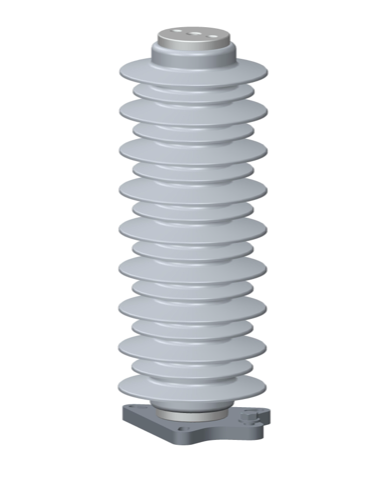
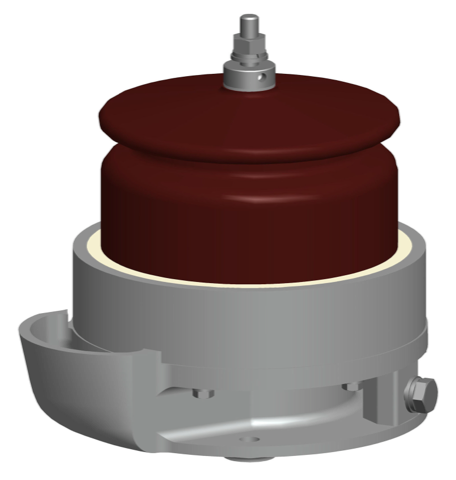
Metal-oxide surge arresters for railway traction power, covering the 3EB1 family for AC systems from 15 to 25 kV and the 3EB2 and 3EB4 families for DC traction up to 3.6 kV. All three are silicone-housed designs type-tested to IEC 60099-4, with the 3EB4 rated for high-energy duty (20 kA nominal discharge current).
Railway surge arresters are gapless metal-oxide surge arresters adapted for traction power systems — substations, overhead contact lines (catenary), and equipment mounted on rail vehicles. Like other metal-oxide arresters, they remain effectively non-conductive at normal operating voltage and divert lightning or switching surge currents to ground, limiting the overvoltage reaching transformers, converters, and on-board equipment to the arrester's protective level. In addition to the electrical ratings, they are qualified for the rail environment: DC designs are classified and tested to EN 50526-1, and vehicle-mounted units undergo shock and vibration testing (IEC 61373) and fire-behavior testing (EN 45545-2). Glossary →
System-voltage coverage per family (√ scale) — bars link to the product pages. Families without a published kV rating are not drawn.
6 of 6 products
Why it matters
Traction power systems are among the most exposed parts of the electrical network: overhead contact lines stretch through open terrain, and every lightning strike or switching operation can inject transient overvoltages into substations, catenary, and the traction equipment on board vehicles. Railway surge arresters divert that surge energy to ground through nonlinear metal-oxide elements that stay inert at normal operating voltage and turn strongly conductive under surge stress, protecting traction transformers, converters, and switchgear from insulation breakdown. Unlike station arresters, railway arresters must also meet rail-specific requirements — mechanical shock and vibration on rolling stock, aerodynamic loads at high train speeds, and vehicle fire-safety standards — on top of the electrical type tests. Because an arrester failure on a traction feed can interrupt service on an entire line section, correct arrester selection and condition are a direct availability concern for railway operators, not just an equipment-protection detail.
Rail-qualified beyond the electrical type tests
The category is built for railway duty: the spec tables list type testing to IEC 60099-4, and the railway arrester families are additionally qualified to EN 50526-1 for DC designs, fire testing per DIN EN 45545-2, and shock and vibration testing per IEC 61373 for vehicle mounting.
AC and DC traction covered by three designation families
3EB1 spans AC traction systems from 15 to 25 kV; 3EB2 covers DC traction up to 3.6 kV (EN 50526-1 designation DC-B); 3EB4 handles high-energy DC duty with 20 kA nominal discharge current and 40 kA short-circuit rating.
Silicone housings for harsh outdoor and on-vehicle service
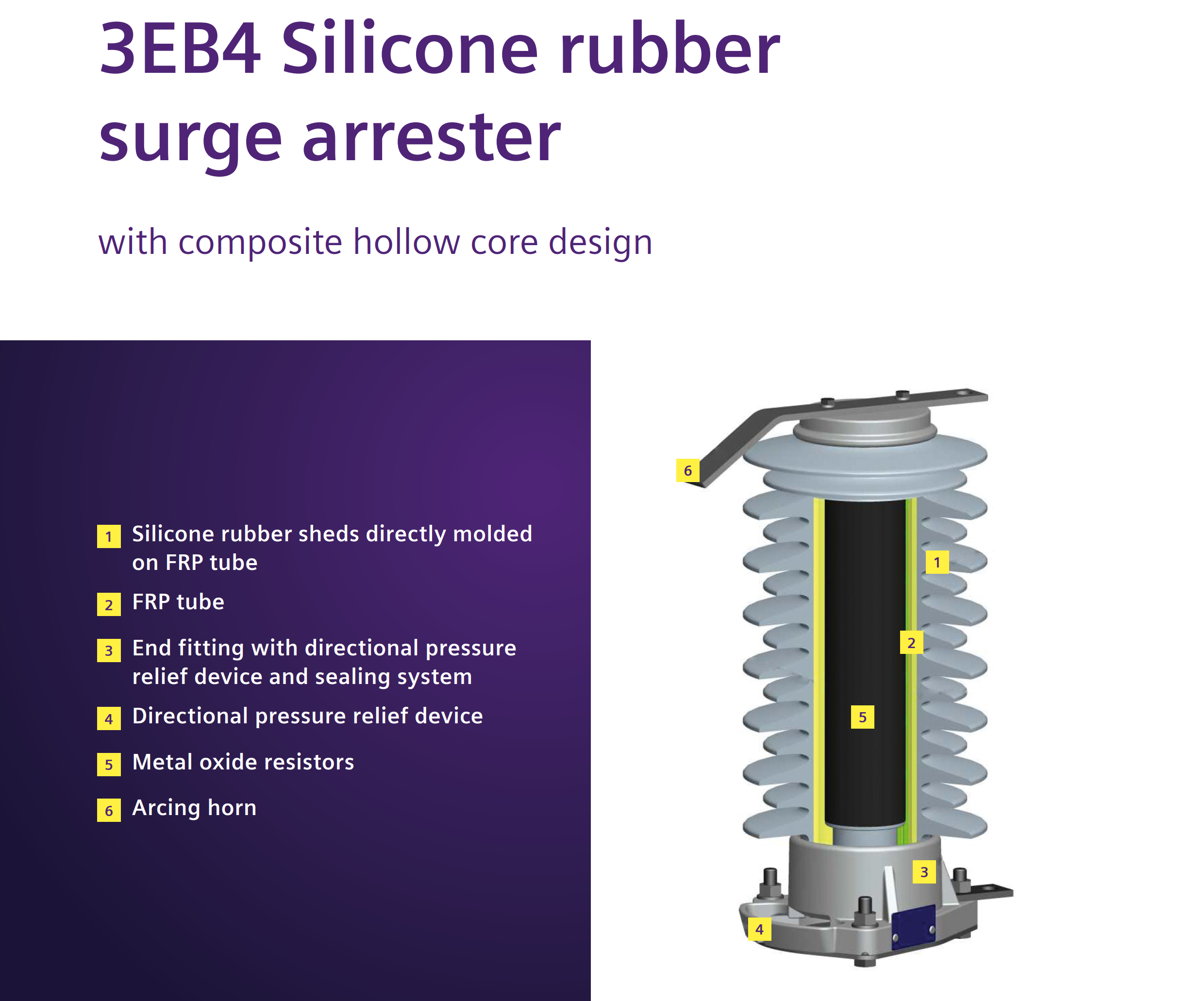
Most families use a directly molded silicone-rubber housing that withstands pollution, humidity, temperature extremes, and mechanical stress. The related composite-housed family supports train speeds up to 420 km/h per the manufacturer's published data.
Maintenance-free operation
Metal-oxide arresters contain no serviceable parts. Periodic visual inspection for external damage or heavy pollution is the only routine attention required, which keeps lifecycle effort on traction infrastructure low.
Frequently asked questions
How does a railway surge arrester work?
The active part is a stack of metal-oxide varistor blocks with a strongly nonlinear resistance. At normal traction voltage the blocks are effectively insulating and only a negligible leakage current flows. When a lightning or switching surge drives the voltage well above the continuous operating voltage, the blocks turn conductive and divert the surge current to ground — limiting the voltage across the protected equipment to the arrester's protective level — then return to the insulating state once the transient has passed.
How do railway arresters differ from standard station arresters?
Electrically they use the same metal-oxide principle, but railway arresters are qualified for the rail environment: shock and vibration testing per IEC 61373 for mounting on vehicles, fire-behavior testing to vehicle standards such as DIN EN 45545-2, and mechanical designs that tolerate the aerodynamic and dynamic loads of high-speed operation. DC traction versions are additionally designed and classified for DC system duty rather than the AC assumptions behind standard station arresters.
Why do AC and DC traction systems need different arresters?
The voltage levels and stress profiles differ fundamentally. AC traction networks run at 15 to 25 kV, which the 3EB1 family covers, while DC traction operates at 3.6 kV and below, covered by 3EB2 and 3EB4. DC systems also impose different continuous-voltage and energy-absorption requirements on the metal-oxide blocks, which is why DC arresters carry their own classifications and are tested to EN 50526-1.
How do I choose between 3EB1, 3EB2, and 3EB4?
Start from the system: for AC traction between 15 and 25 kV, the 3EB1 (Ur up to 36 kV, In 10 kA, line discharge class 2) is the fit. For DC traction up to 3.6 kV with standard energy duty, the 3EB2 (In 20 kA, designation DC-B) applies; where high energy absorption is required — for example heavy DC electrification duty — the 3EB4 offers a higher energy rating with In 20 kA and a 40 kA short-circuit rating. Each product page carries the full electrical spec table for a direct comparison.
What information do I need to request a quote?
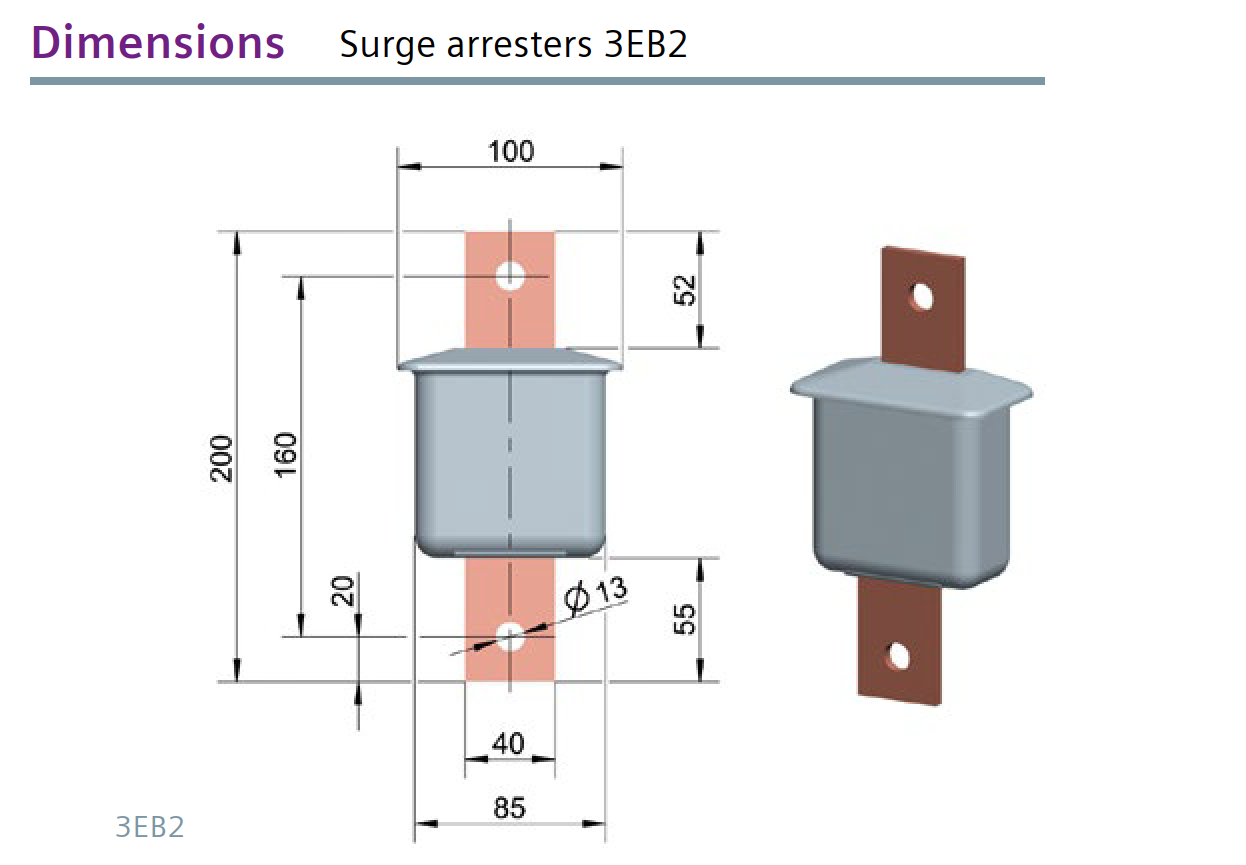
The family designation (3EB1, 3EB2, or 3EB4) plus your system parameters: nominal and maximum system voltage, AC or DC, required nominal discharge current and line discharge class, short-circuit rating, and the mounting situation (substation, contact line, or on-vehicle). The spec tables on each product page mirror these fields, and the datasheet and dimension-drawing downloads cover the mechanical details, so quoting is fastest when your inquiry references the designation and any deviation from the tabulated values.
Do railway surge arresters require maintenance or periodic testing?
No routine servicing is required — there are no serviceable parts inside a metal-oxide arrester. Regular visual inspection for external damage or extreme pollution is sufficient, and if a monitoring device is installed, its own inspection rules apply.
What should I do when an installed arrester reaches end of life or is damaged?
Arresters that have absorbed a surge beyond their specification or show external damage should be replaced rather than repaired. Registering your installed base with us lets us match replacement units to the original designation and ratings from the dimension drawings and datasheets on file, and our service team can advise on like-for-like or upgraded replacements — for example moving from DC-B to DC-C duty on a DC feed.